Colonia del Sacramento: Puentes Destination Guide
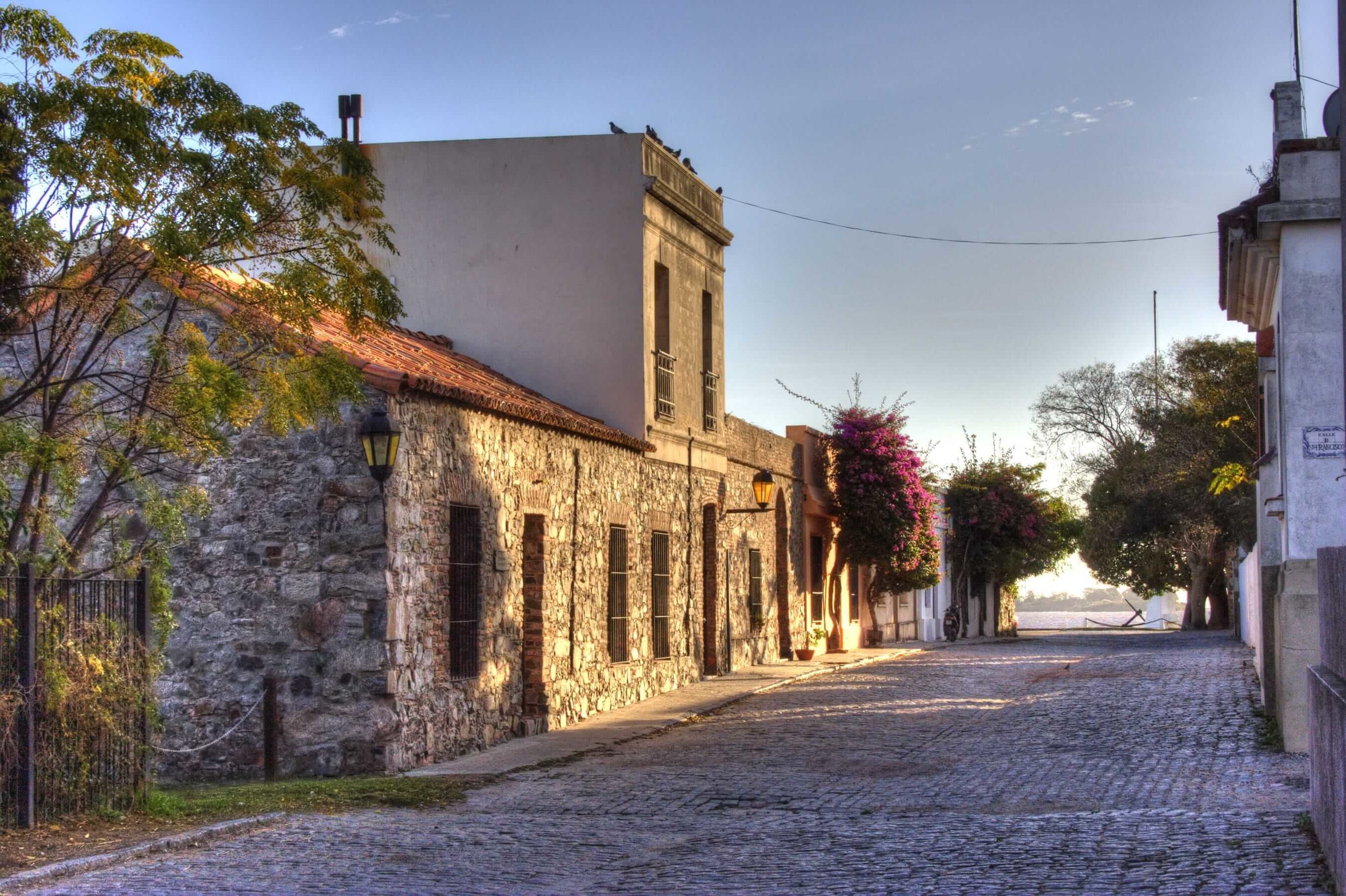
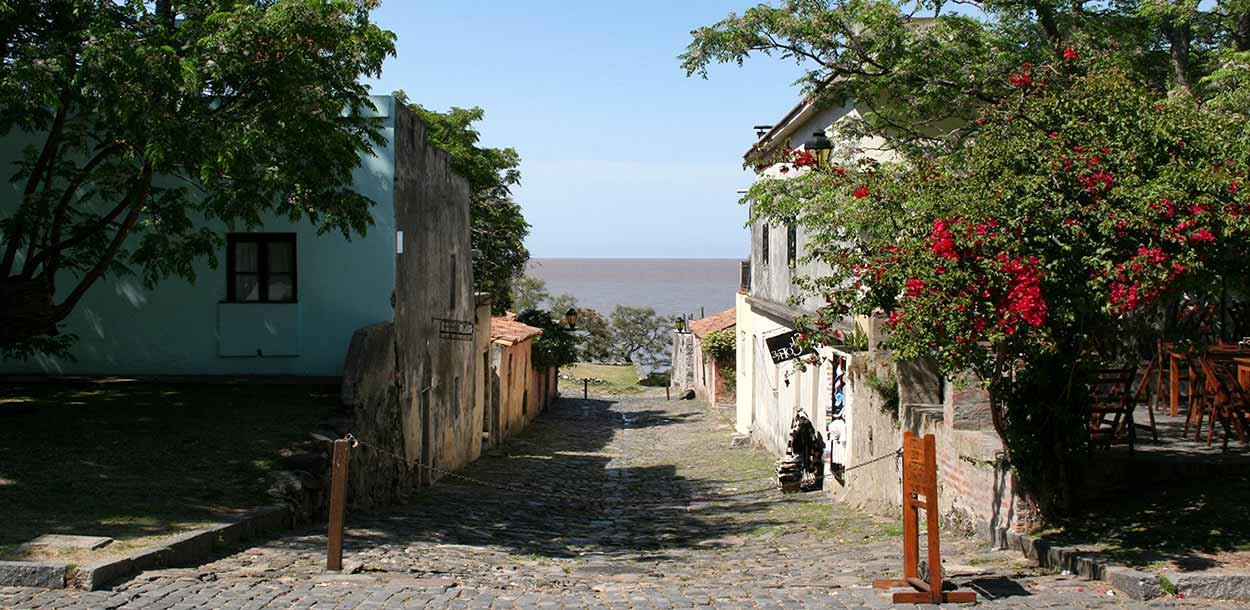
Colonia del Sacramento, Uruguay, is just across the Rio de la Plata river from bustling Buenos Aires, but seems worlds away. Its “Barrio Histórico” (historic quarter), which has been designated as a UNESCO World Heritage Site, is constructed of winding cobblestone streets and colorful houses, reminiscent of the port city’s Portuguese roots. Colonia is usually enjoyed as a day trip, but if you’d like a relaxing weekend away, it’s a nice option for that too.
HOW TO GET THERE
The easiest way to reach Colonia from Buenos Aires is by ferry. Buquebus and Colonia Express offer regular services, with travel times ranging from one to three hours. From Montevideo, you can take a bus, which takes about two and a half hours.
Within Colonia, walking and renting bicycles or golf carts are popular ways to get around.
WHERE TO STAY
Colonia offers a variety of accommodation options across its neighborhoods, ideal for tourists.
Barrio Histórico: The heart of Colonia with historic charm, cobblestone streets, and proximity to major attractions.
Real de San Carlos: A quieter area near the beach with beautiful views and fewer crowds.
Centro: Conveniently located near shops, restaurants, and transport options.
WHAT TO DO
Architecture and Sightseeing
Barrio Histórico: Wander through the historic quarter and admire colonial architecture and cobblestone streets.
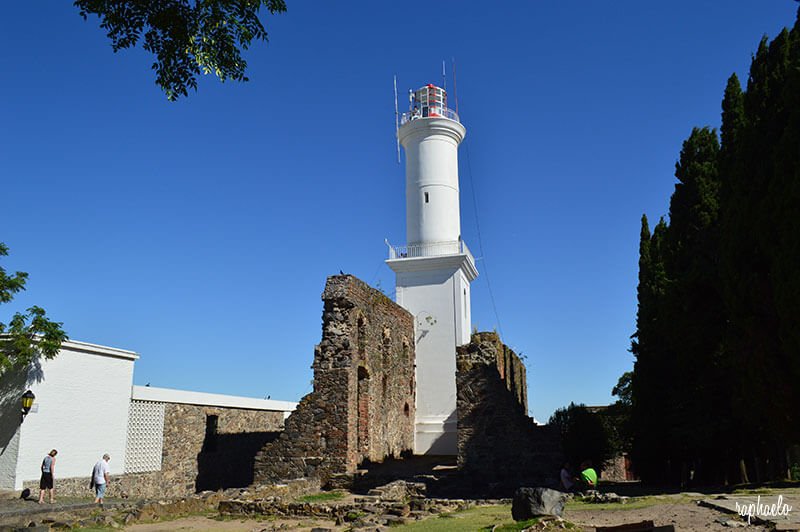
Lighthouse: Climb to the top for panoramic views of the city and Río de la Plata.
Plaza de Toros: Visit the remains of this historic bullring, a symbol of Colonia's Spanish influence.
Outdoors
Rambla Costanera: Enjoy a leisurely stroll along the waterfront promenade.
Beaches: Relax at Playa Ferrando and Playa El Álamo.
Plaza Mayor: A picturesque square surrounded by historic buildings and charming cafes.
Museums and Culture
Museo Portugués: Explore artifacts and exhibits showcasing Colonia's Portuguese heritage.
Museo Municipal: Discover local history and cultural exhibits.
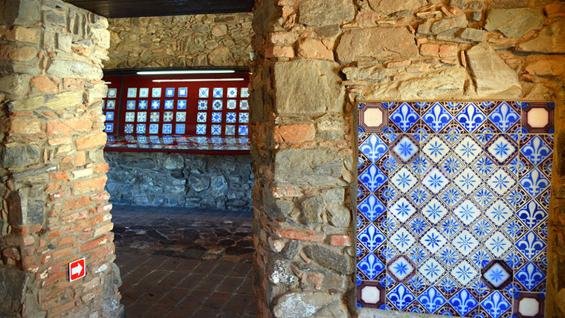
Museo del Azulejo: Admire a unique collection of decorative tiles from various historical periods.
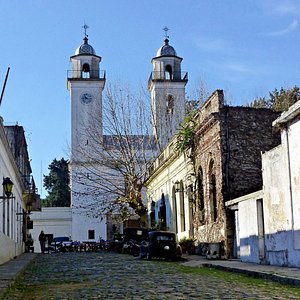
Basílica del Santísimo Sacramento: Visit this historic church with beautiful architecture.
WHERE TO EAT
Brunch and Cafés
Lentas Maravillas: A cozy café with a beautiful garden, serving homemade pastries and fresh juices.
Serrano Café: Known for its delicious cakes, pastries, and coffee.
Dinner
Mercosur: Renowned for its parrilla, serving delicious steaks and Uruguayan specialties.
Charco Bistro: Contemporary dishes made with local ingredients.
Bars
La Bodeguita: Popular for seafood lovers, with a variety of fish and shellfish dishes.
Barbot: A microbrewery offering a variety of craft beers and a casual vibe.
Review other Puentes Destination Guides:
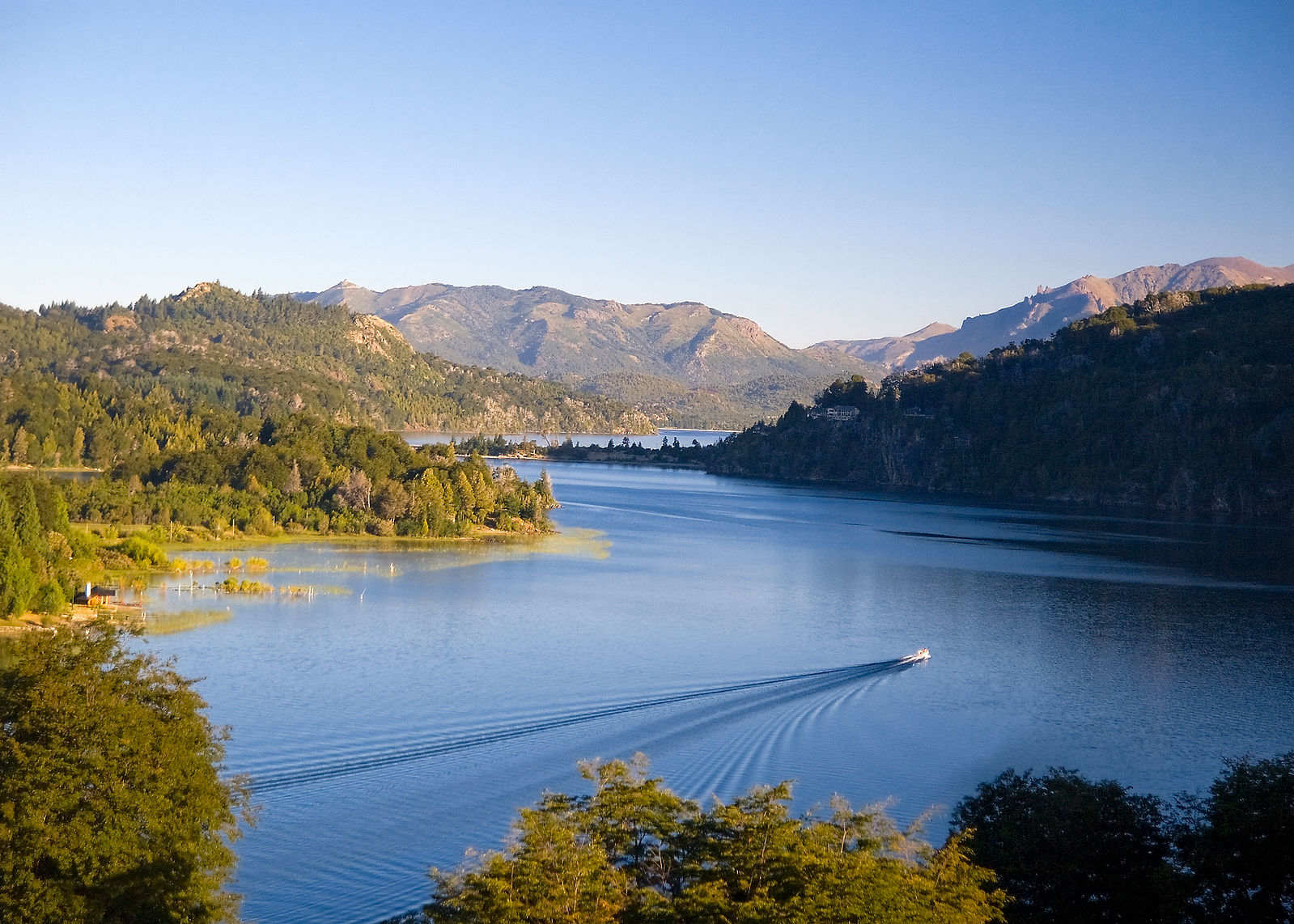
Perhaps the most well known tourist destination in Patagonia, Bariloche is located on the southern shores of the Lake Nahuel Haupi in the western extreme of the Rio Negro province. Surrounded by majestic mountains and lakes, it is the preferred vacation spot for many Argentines. It originated as a German colony more with more connections to Chile than Argentina. As it was so remote and disconnected from the rest of Argentina, it wasn’t until the arrival of the railroad in the 1930s that it really began to flourish as a city. The charming city center was designed to have the appearance of a traditional European central alpine town. All year round, Bariloche offers a picturesque and diverse setting for travels and adventures.
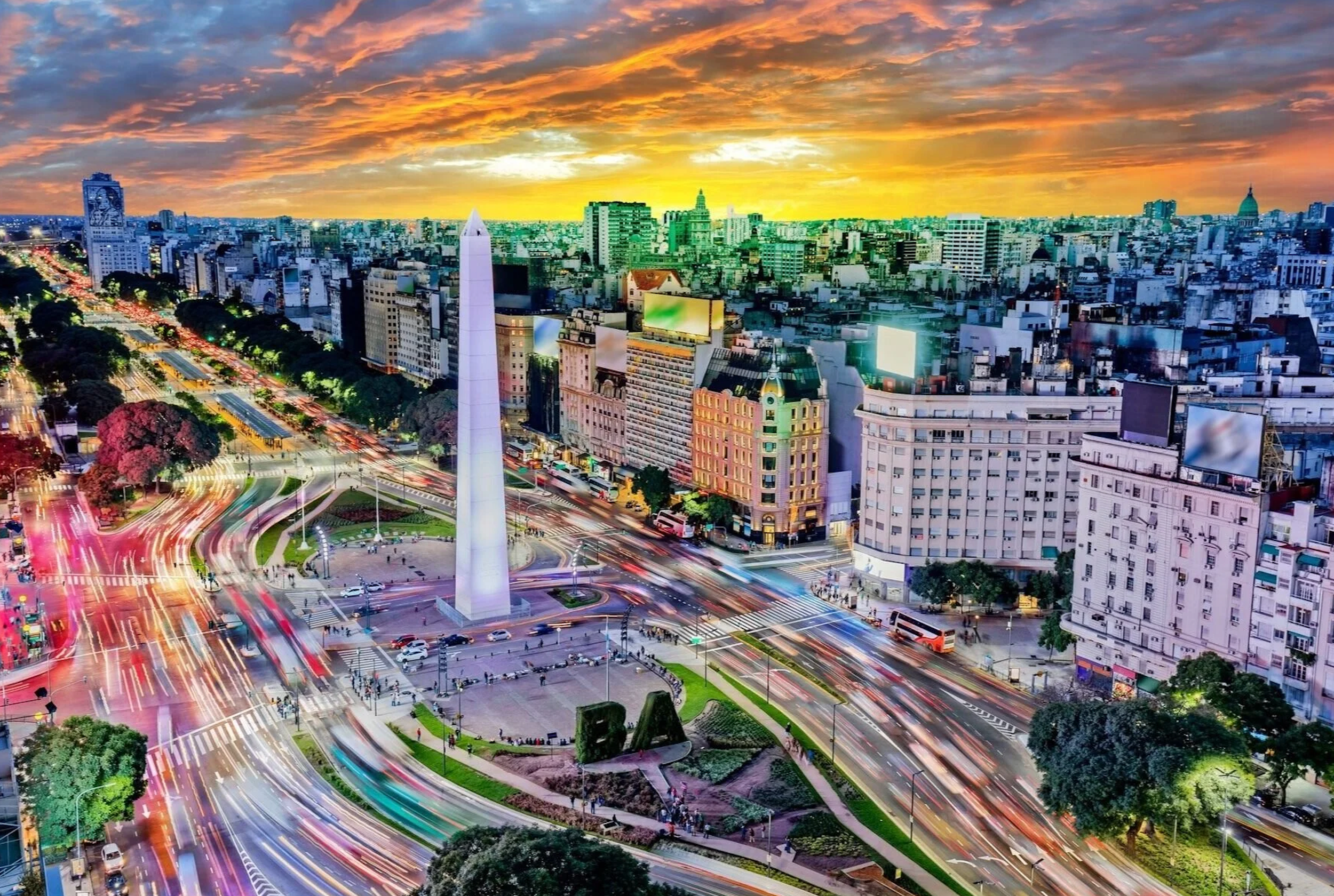
Called the “Paris of South America,” Buenos Aires is one of the most cosmopolitan cities of South America and has cultural offerings for everyone, ranging from a myriad of restaurants and historical sites to expansive city parks. It has enough entertainment options to keep you satisfied for a lifetime, and indeed, many who visit end up staying forever. The city has a population of 3.1 million people, with a metro area containing 12 million more, so it is the bustling hub of the country and offers a fast-paced backdrop to work and life.
Colonia del Sacramento, Uruguay, is just across the Rio de la Plata river from bustling Buenos Aires, but it seems worlds away. Its “Barrio Histórico” (historic quarter), which has been designated as a UNESCO World Heritage Site, is constructed of winding cobblestone streets and colorful houses, reminiscent of the port city’s Portuguese roots. Colonia is usually enjoyed as a day trip, but if you’d like a relaxing weekend away, it’s a nice option for that too.
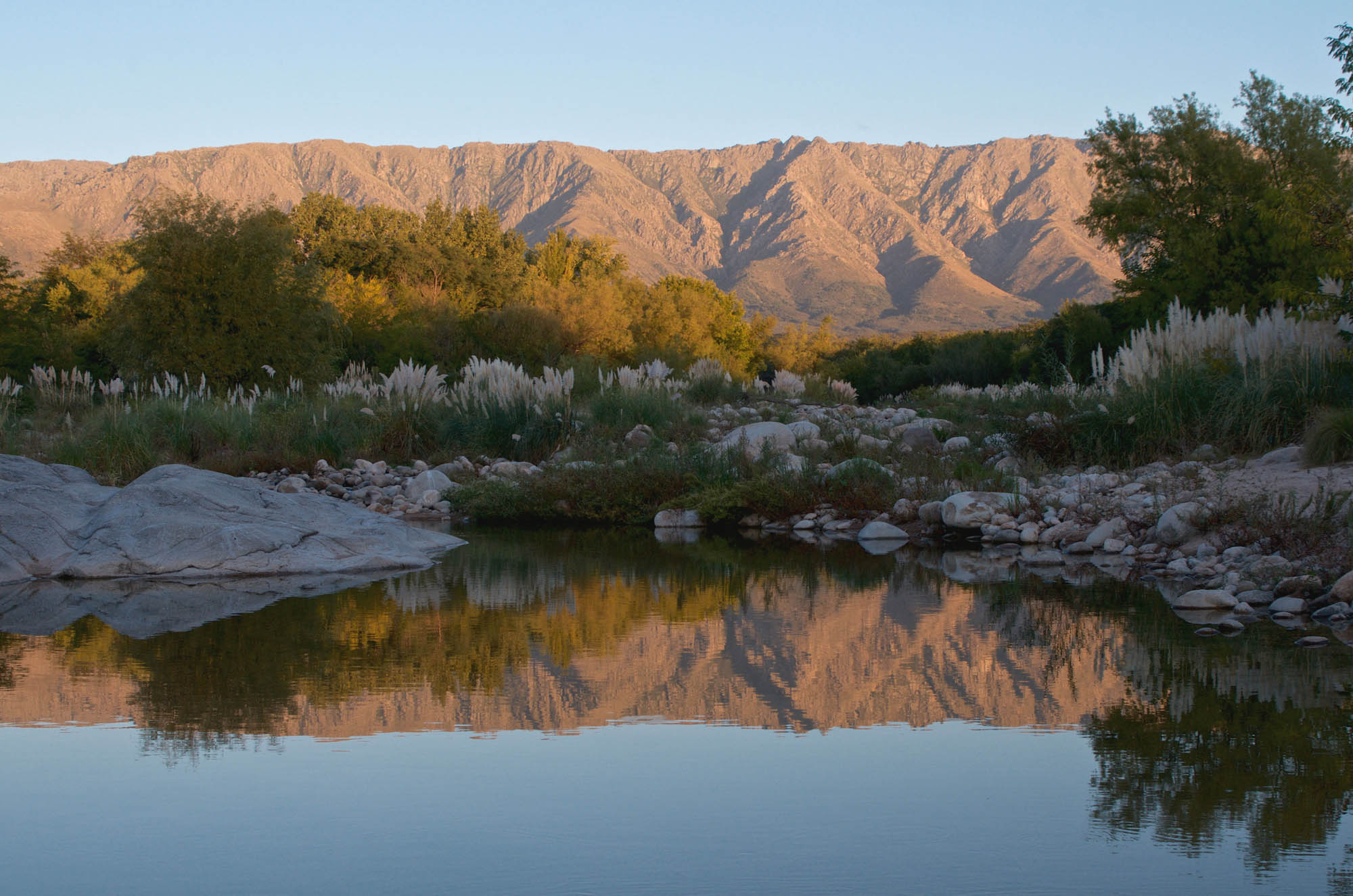
Considered the second city of Argentina, Córdoba is nestled within a low mountain range known as the Sierras de Córdoba. It boasts Argentina’s oldest university, a mix of great nightlife and culture, and lots of cute little resort towns in the surrounding area. The locals, known as Cordobeses, are jovial folks renown for their fondness for making practical jokes. As in the rest of Argentina, family, friends, and asado are staples, but Córdoba even has its own provincial beverage: fernet and coke. While the city itself is important architecturally and historically, nearby are enough lakes, rivers, and streams to keep you connected with nature throughout your visit. Porteños look at Córdoba as a place to escape from big city life, so it’s common to spend a day or two in Córdoba capital and then head to the outskirts in the surrounding mountains to enjoy the lush green views.
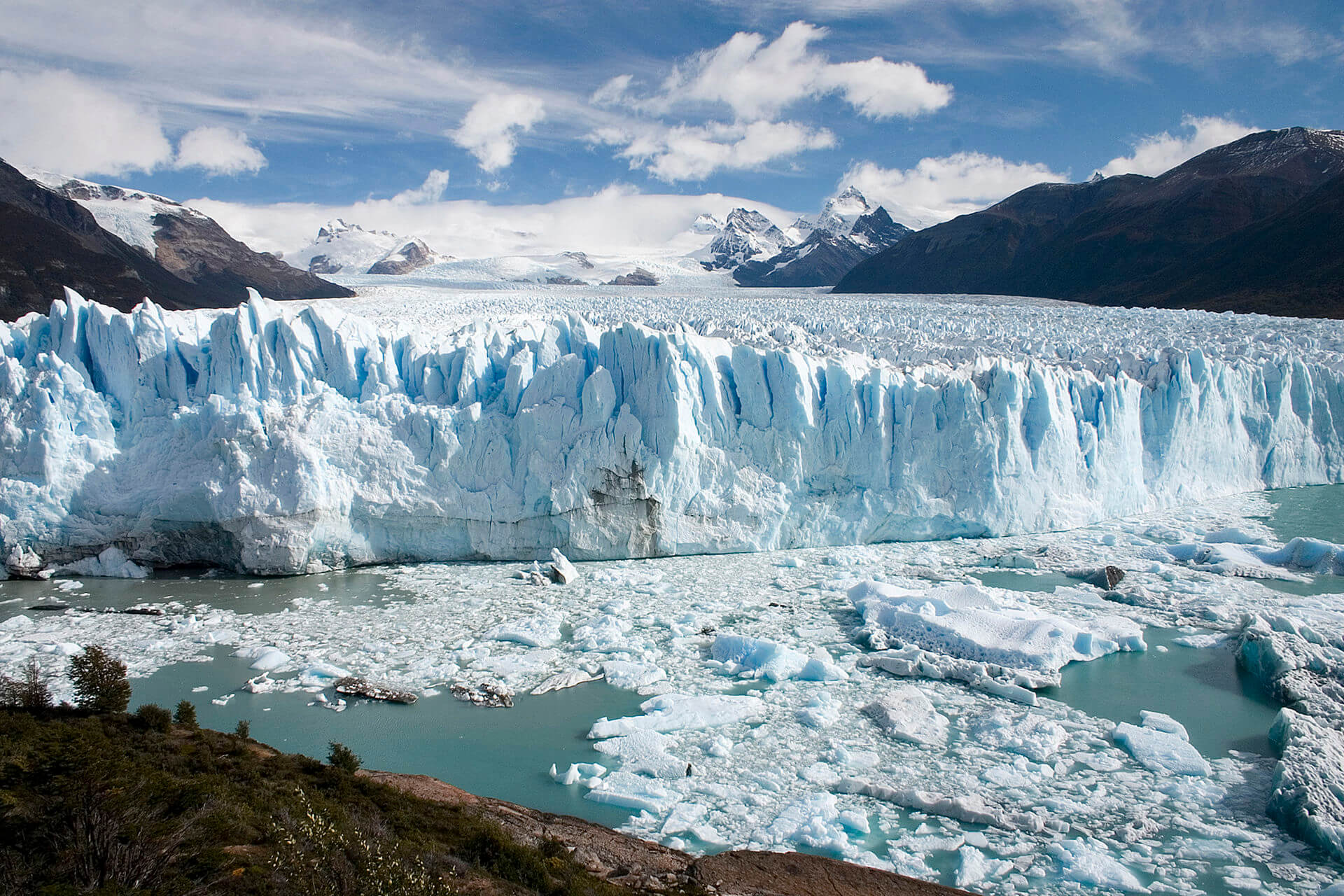
In the extreme south of Patagonia, Argentina, in the province of Santa Cruz, is the tourist destination of El Calafate. It is situated on the southern border of Lago Argentino about 320 km northwest of the provincial capital of Rio Gallegos. The city is known as a jumping off point for visiting different parts of the Los Glaciares National Park, including the Perito Moreno Glacier, Cerro Chaltén, and Cerro Torre.
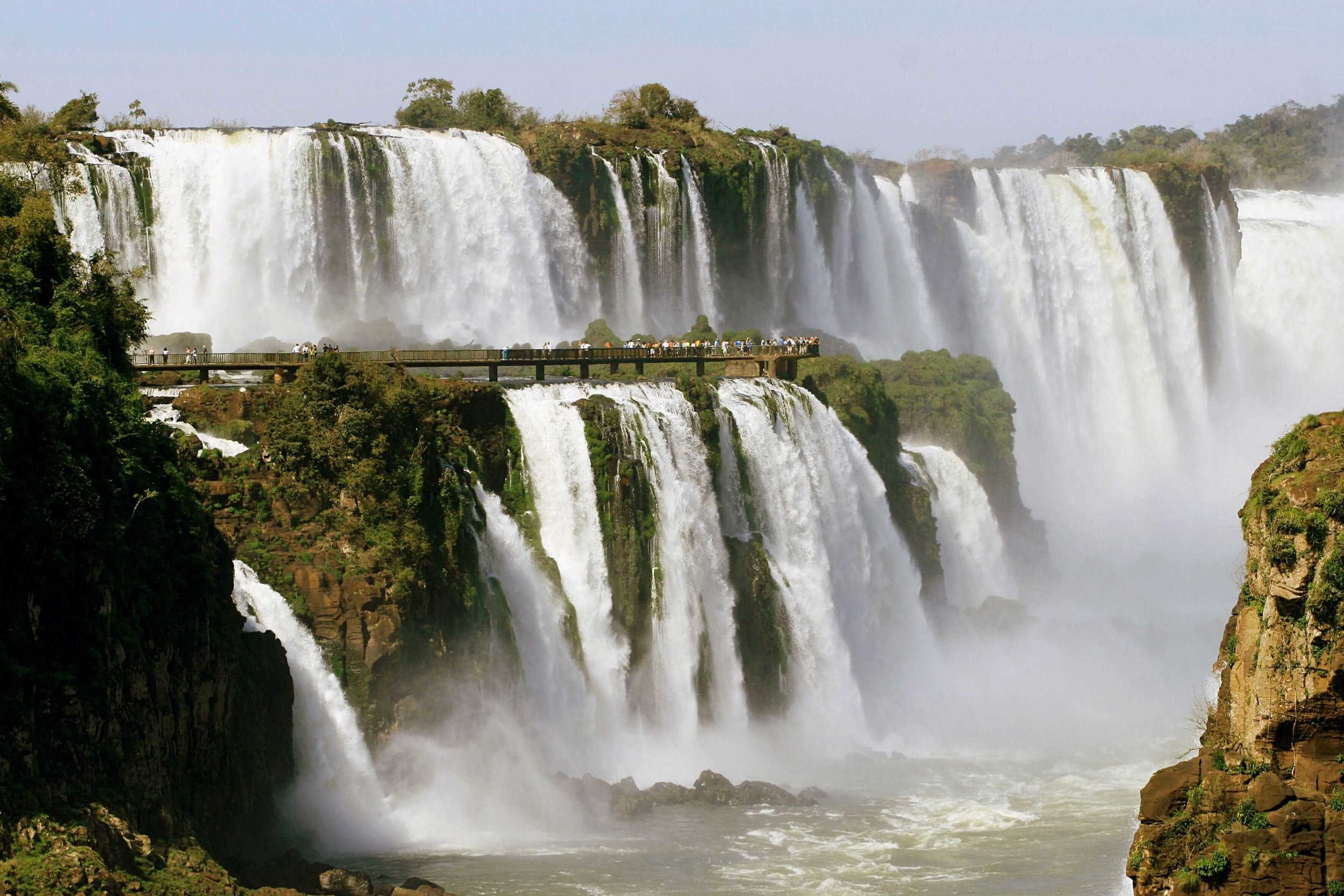
Taller than Niagara Falls and four times as wide with 275 cascades spread in a horseshoe shape over nearly two miles of the Iguazú River, the Iguazú Falls offer an unforgettable experience and a spectacle of nature. Upon seeing Iguazú’s sheer beauty, the United States First Lady Eleanor Roosevelt reportedly exclaimed, “Poor Niagara!” Iguazú is perfect for a three-day weekend getaway.
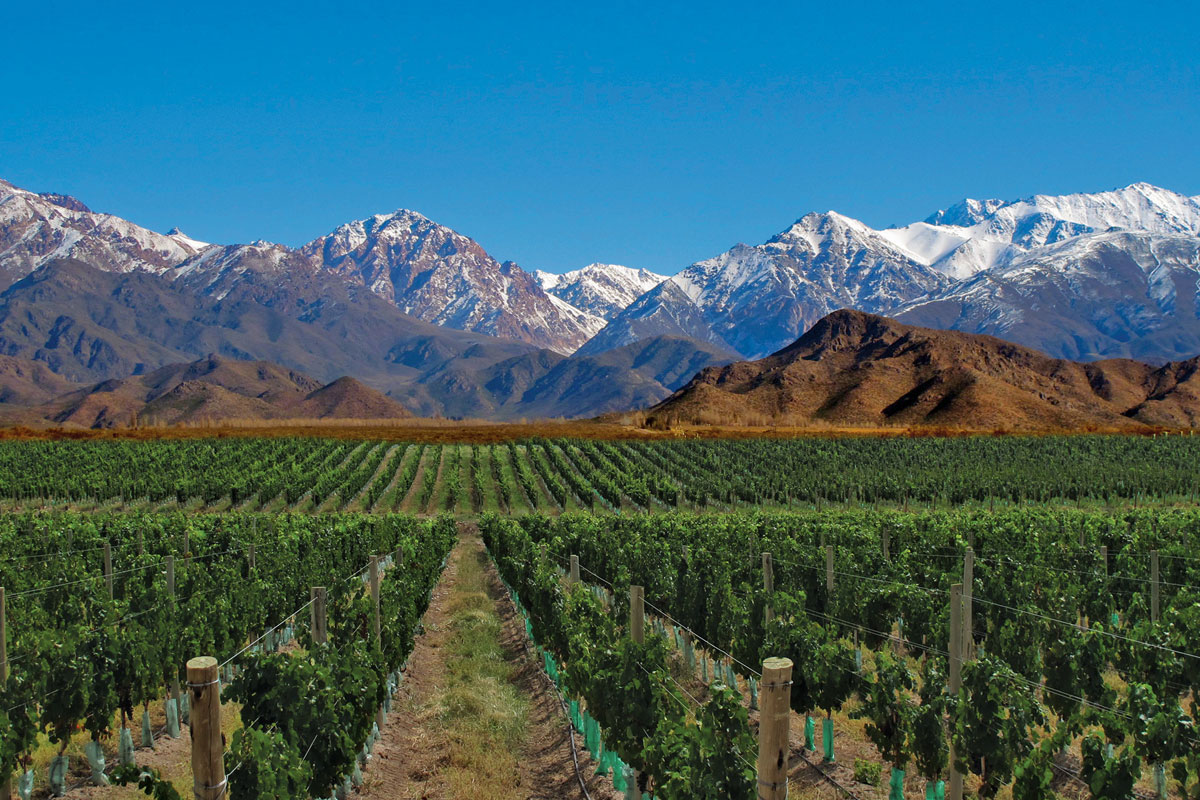
Mendoza’s slogan - “the land of good sunshine and good wine” - says it all. Mendoza is set in the foothills of the Andes Mountains and famously lodges Mount Aconcagua, the highest mountain outside of the Himalayas. Also the center of the Argentine wine industry, Mendoza is an oasis of culinary and wine successes, as well as thrilling outdoors activities like rafting and horseback riding. Mendoza is great for a three or four day weekend, or even a week.
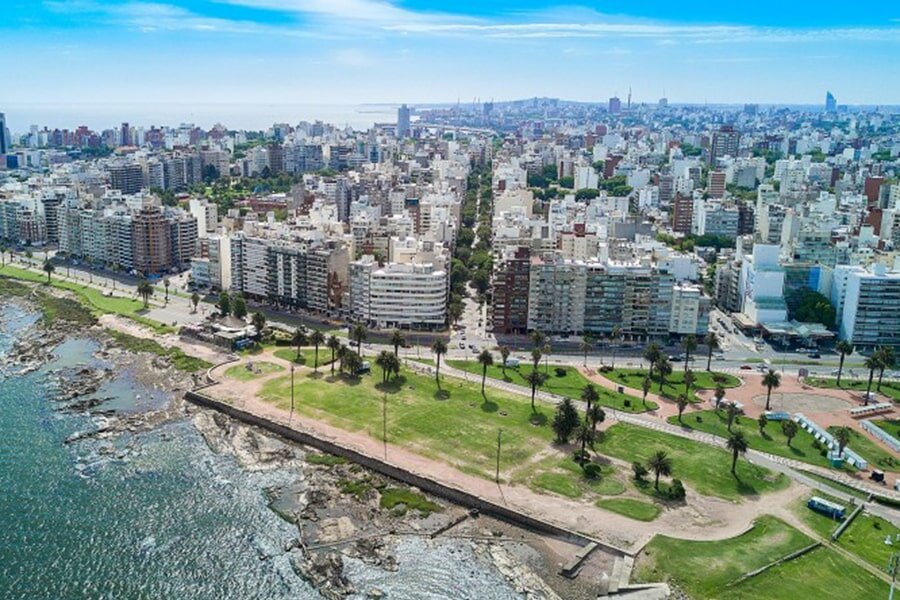
Both the capital and largest city of the country of Uruguay, Montevideo offers the amenities of a big city while maintaining a relaxed, more low-key vibe than Buenos Aires. The city has a population of about 1.3 million people, which makes up one-third of the entire country! The city was established in 1724 by Spanish soldier Bruno Mauricio de Zabala during a dispute between Spain and Portugal. Nowadays, Montevideo offers a vibrant culture, delicious food, and is a huge hub in the entrepreneurial and technological space. Don’t miss the great beaches that surround the city and to which most Argentines flock to during the summer months!
Puerto Madryn, a city located on the Patagonian coast in the province of Chubut, is an incredible destination for anyone interested in nature, wildlife, or scuba diving. Just north of the city, you’ll find the Peninsula Valdes, which is considered an UNESCO World Heritage site. In Puerto Madryn and the surrounding areas, you can see southern right whales, orcas, sea lions, elephant seals, Magellanic penguins, guanacos (Argentine llamas), and more.
Punta del Este, often called the "St-Tropez of South America," is Uruguay’s most well-known and sophisticated seaside city and resort. Situated on a peninsula at the Atlantic Ocean's edge, it attracts tourists, including the "jet set" and affluent vacationers from Latin and North America, particularly during the summer months of December to March.
Rio de Janeiro, located in the south of Brazil, is the second-most populous city in Brazil and a top destination for travelers to South America. Rio de Janeiro is known for it’s lively culture, beautiful beaches, “samba” music and dance, and friendly “carioca” locals. From visiting “Cristo Redentor” (Christ the Redeemer) to taking in the incredible views at “Pão de Acuçar” (Sugarloaf Mountain) to enjoying the long coastline of beaches, there’s more than enough to do in Rio de Janeiro. We recommend visiting for 5 days if you’d like to explore all the cultural offerings — otherwise, it’s a great weekend trip if plan to prioritize time on the beach.
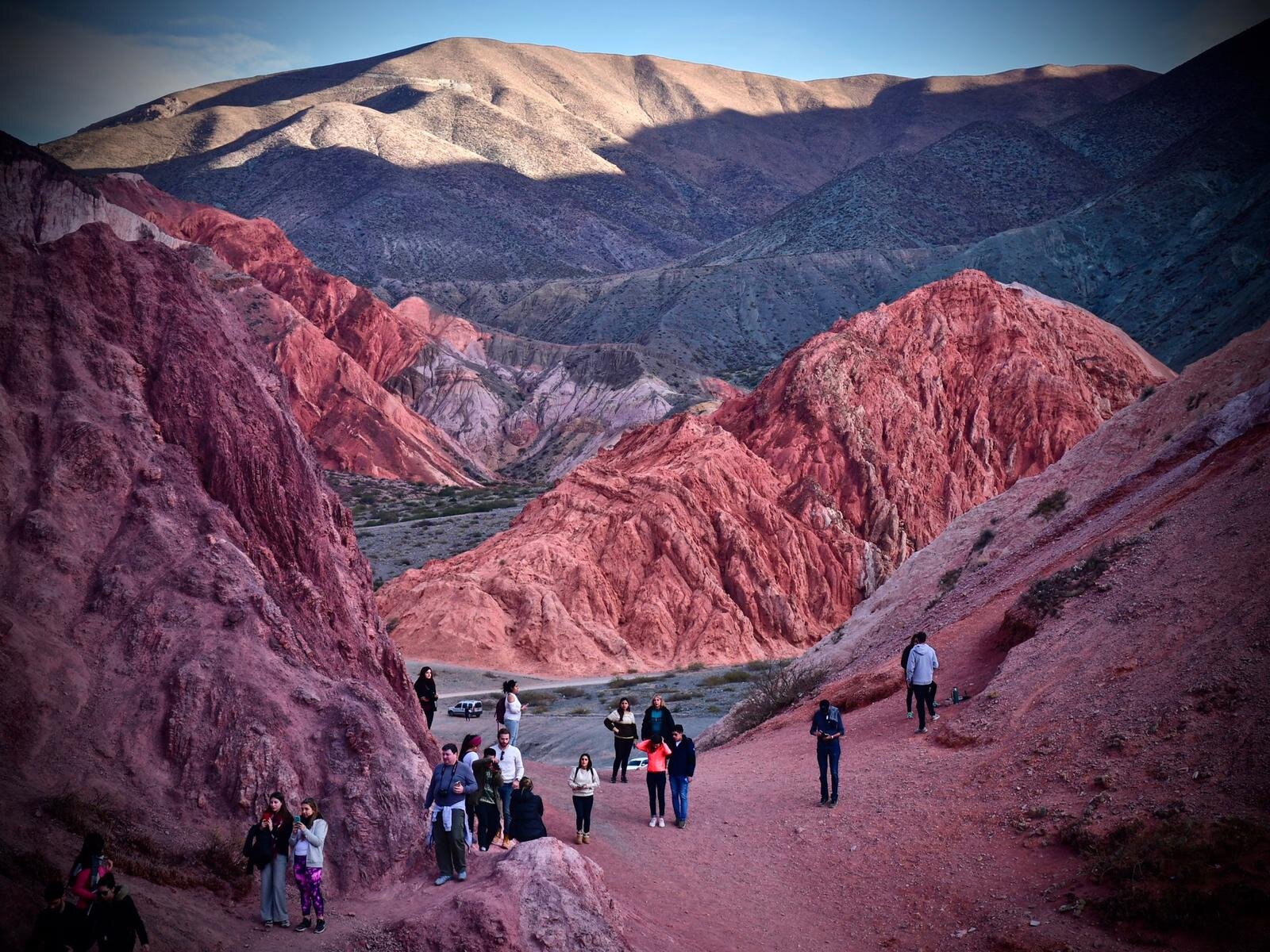
Nicknamed “La Linda,” Salta is known for the beautiful, natural scenery of the valleys in the region. Salta is situated in the Andes Mountains in the southernmost region of what was once the Inca Empire. It has a strong Spanish tradition, which mixed with the Argentine “gaucho” (cowboy) culture, creates a unique identity, rich in folklore and filled with striking, colonial architecture. There is plenty to see in the region of Salta and its neighboring state Jujuy, so at least a four to five days - or even a week - would be recommended for your visit.
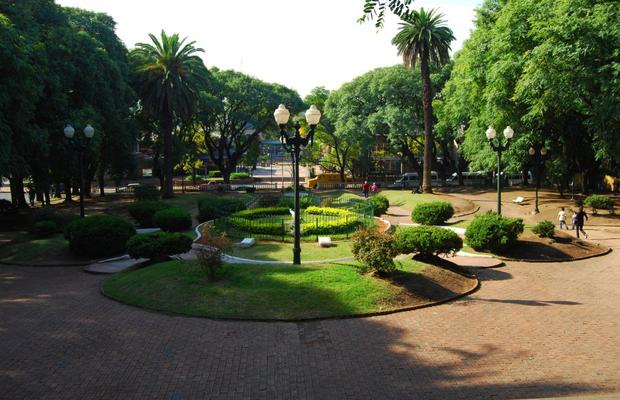
San Isidro has a strong identity as a value-centered community with a focus on family, social clubs, friends, and sports, and it is one of the most affluent cities in the region. With a population of about 292,000 “sanisidrenses” (residents of San Isidro), San Isidro offers more of a small town feel where people know each other personally, but at the same time, it is still a very attractive place to live and visit because of its historic landmarks, vibrant sports offerings, and green waterfront venues.
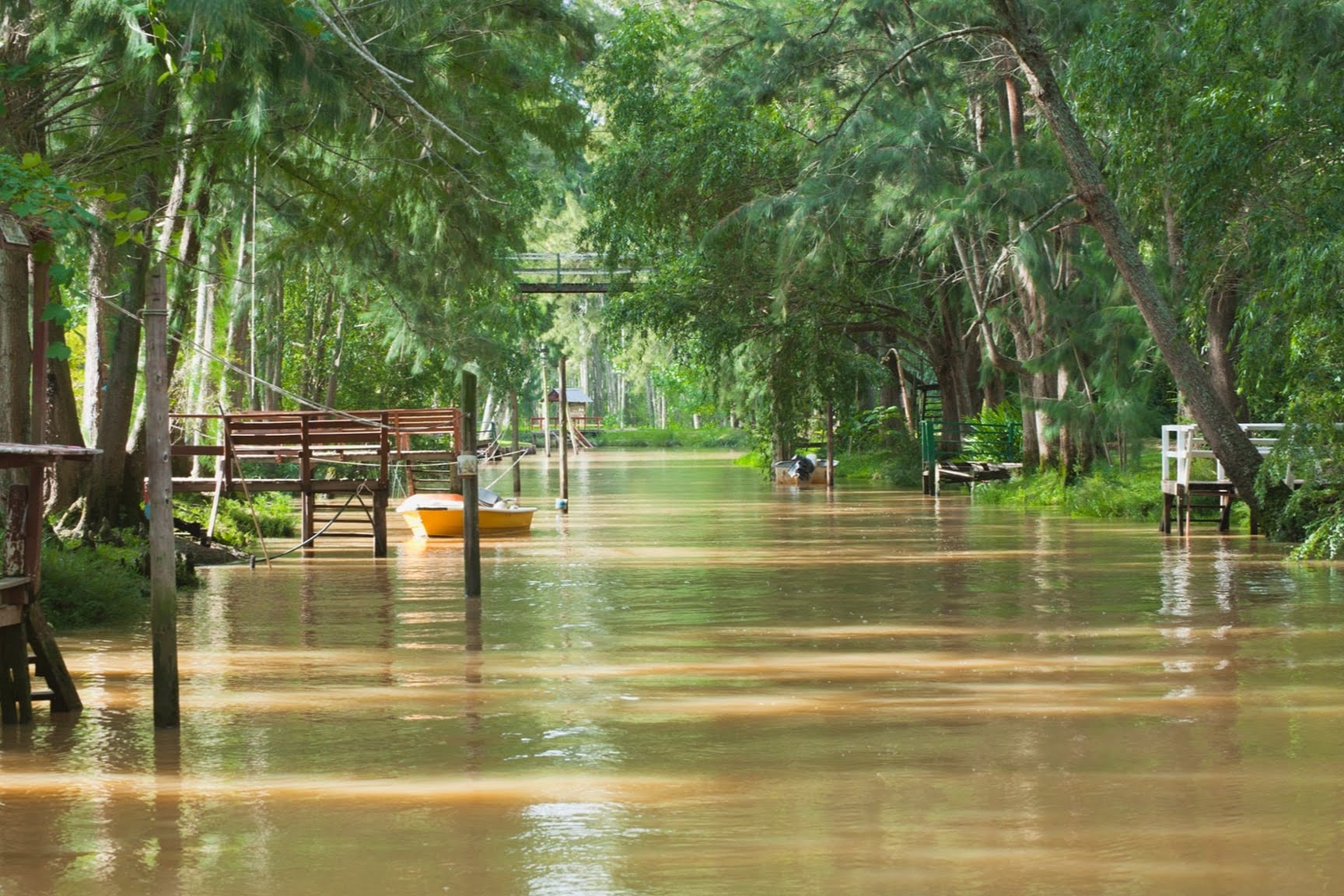
A pleasant getaway from the hustle and bustle of Buenos Aires, Tigre is a popular weekend jaunt for “porteños.” Located on the river delta, Tigre literally lives on the water. You can rent kayaks, take a boat ride, enjoy lunch by the riverside, and take a stroll along the riverbanks. Tigre is also known for its local markets and varied merchants, so it is an excellent place to find handicrafts and gifts.
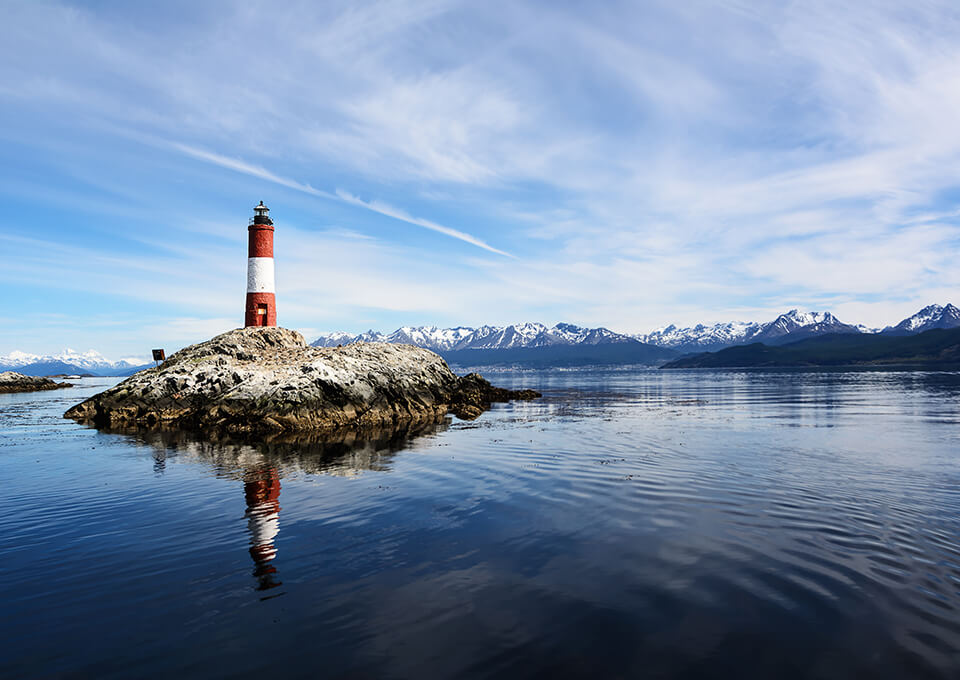
Ushuaia, the southernmost city in the world, lies at the tip of the South American continent in between the Martial mountains and the famous Beagle Channel. Part of the province of Tierra del Fuego, it is located less than 20 miles from the Chilean border. Within Argentina, it is well known as a center for technological manufacturing as well as tourism. Whether you’re skiing or snowboarding on the Cerro Castor or taking a boat across the Beagle Channel, Ushuaia is a destination best enjoyed outdoors, despite the frosty temperatures. Arrive to land of penguins with a three and a half hour flight, and take advantage of the breathtaking landscapes to wow your friends with pictures from the “fin del mundo.”